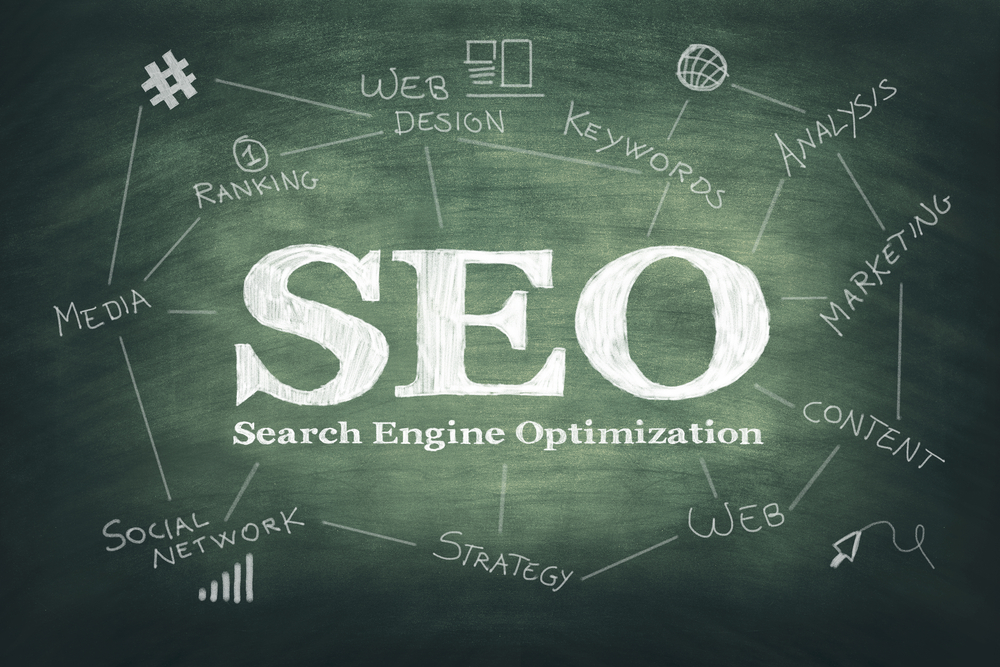
In today's digital world, having a strong online presence is crucial for businesses and individuals alike. Search Engine Optimization (SEO) plays a crucial role in improving website visibility and attracting targeted organic traffic. However, mastering SEO/SEM and link building can be a complex and ever-evolving process. In this article, we will explore some valuable tips and tricks that will help you optimize your website for optimal performance.
The Importance of SEO
Before diving into the intricacies of SEO (or SEM) and link building, it is important to understand why it is essential for your website's success. Search engines, such as Google, Bing, and Yahoo, are the gateways through which users discover new websites and content. By optimizing your website for search engines, you increase your chances of ranking higher in search results, driving more organic traffic, improving conversions, and ultimately, enhancing your online presence.
On-Page SEO Best Practices
Create High-Quality Content
Content is the backbone of any successful website. To rank higher in search results, it is crucial to create valuable, informative, and engaging content that satisfies user intent. Use relevant keywords naturally throughout your content, ensuring it is well-structured, easy to read, and provides value to the audience.
Optimize Title Tags and Meta Descriptions
Title tags and meta descriptions are HTML elements that provide concise summaries of your web pages in search results. Include relevant keywords in the title tags and meta descriptions to improve your website's visibility and click-through rates. Make sure they are compelling and accurately represent the content on the respective pages.
Improve Website Loading Speed
Websites that load quickly have a better chance of ranking higher in search results. Optimizing your website's loading speed is crucial for both search engine rankings and user experience. Compress images, minimize HTTP requests, leverage browser caching, and use a content delivery network (CDN) to improve page load times.
Optimize URLs
Ensure your website's URLs are descriptive, concise, and include relevant keywords whenever possible. Avoid using generic or cryptic URLs that make it difficult for search engines and users to understand what the page is about. Incorporate hyphens to improve readability and ensure URL structures are logical and organized.
Off-Page SEO Strategies
Build High-Quality Backlinks
Link building is a crucial aspect of off-page SEO . It involves acquiring high-quality backlinks from reputable and authoritative websites. Create valuable content that others want to link to naturally, reach out to industry influencers and experts for guest posting opportunities, and participate in relevant online communities to establish your presence and earn backlinks.
Social Media Engagement
Engaging with your audience on social media platforms not only helps build brand awareness but also improves your website's visibility. Share your content on social media channels, encourage discussions, and actively participate in relevant communities. When your content is shared and discussed on social media, it increases its visibility and the likelihood of others linking to it.
Guest Posting
Guest posting involves writing and publishing articles on websites other than your own. It helps establish yourself as an industry expert, builds credibility, and earns valuable backlinks. Find reputable websites in your niche that accept guest posts, create high-quality content tailored to their audience, and include a backlink to your website within the post.
Monitor and Analyze Your Backlink Profile
Regularly monitor and analyze your website's backlink profile to identify any spammy or low-quality links that might harm your SEO efforts. Use tools like Google Search Console, Ahrefs, or Moz to track your backlinks, identify toxic links, and disavow them if necessary. By maintaining a clean and healthy backlink profile, you can ensure optimal SEM/SEO performance.
The Future of SEO
SEO is an ever-evolving field, and it is important to stay updated with the latest trends and algorithms. With the rise of voice search, mobile optimization, and artificial intelligence, it is crucial to adapt your SEO strategies accordingly. Focus on creating content that answers specific user queries, optimize for mobile devices, and embrace emerging technologies to stay ahead in the SEO (search engine optimization) game.
Frequently Asked Questions
1. How long does it take for SEO to show results?
The time it takes to see SEO results can vary depending on various factors, such as your website's age, competition, and the effectiveness of your SEO strategies. In general, it takes around 4 to 6 months to start seeing noticeable improvements in search rankings and organic traffic.
2. Are paid advertisements necessary for SEO?
No, paid advertisements are not necessary for SEO. While paid advertising can provide immediate visibility and traffic, SEO focuses on organic (non-paid) strategies to improve search engine rankings and attract targeted traffic. However, incorporating paid advertisements alongside SEO efforts can help boost your overall online presence.
3. How important are mobile optimization and responsive design for SEO?
Mobile optimization and responsive design are crucial for SEO. With the increasing use of smartphones and tablets, search engines prioritize mobile-friendly websites in search results. Ensure your website is responsive, loads quickly on mobile devices, and provides a seamless browsing experience across different screen sizes.
4. Can I do SEO on my own, or do I need to hire a professional?
While basic SEO practices can be implemented by anyone, achieving optimal SEO performance often requires expertise and constant monitoring. Hiring a professional SEO agency or specialist can help you navigate the complexities of SEO, stay updated with the latest industry trends, and implement effective strategies tailored to your specific goals.
5. How often should I update my website's content?
Frequently updating your website's content is important for both user engagement and SEO. Regularly adding fresh and valuable content can help attract and retain visitors. Additionally, search engines consider new content as a signal of an active website. Depending on your industry, aim to update your content at least once a week or whenever relevant and valuable information becomes available.
In Conclusion
Mastering SEO and link building requires a combination of technical knowledge, continuous learning, and creative strategies. By implementing the best practices mentioned in this article and staying up-to-date with the latest SEO trends, you can optimize your website for optimal performance, improve search rankings, and drive targeted organic traffic to achieve your online goals.
Other useful resources
- https://www.seoguru24.com/listing-category/seo-tools-and-services/
- https://www.seoguru24.com/services/seo/
- https://www.seoguru24.com/promote-website/